
An Army Veterans Story
My journey began when leaving the British Army in 2018 and embarking on motherhood at the age of 42. I realised that what was readily available to us to eat in our communities and supermarkets was no good for us or the growth of our children. I started to follow Dr Chris Van Tulleken; a British physician, academic, writer and television presenter in my quest to learn a different way to eat other what we were conditioned to eat. I felt very strongly about what I fed my children and to eat well for my health as an older mum but never knew where to start after eating from a hot plate my entire adult life; until I learnt about the NOVA Scale and what Ultra-Processed Food was.
The Nova classification system groups foods into four distinct categories based on the extent and purpose of the industrial processing they undergo. Developed by researchers at the University of São Paulo, it helps explain how processing affects public health.
I learnt that Ultra-processed foods (UPFs) are heavily processed before consumption and that they typically contain numerous artificial additives, preservatives, and flavour enhancers. These additives include dyes, colour stabilizers, non-sugar sweeteners, de-foaming, anti-caking or glazing agents, emulsifiers, humectants, and many others. Some processes used in preparing these foods, such as hydrogenation, hydrolyzation, or extrusion, are exclusively industrial processes that cannot be performed in a regular kitchen.
I started following a journey of non UPF for myself and my children and used the below categories to aid me.
The NOVA classification system categories are:
Group 1. Unprocessed or minimally processed foods:
Natural foods altered only by processes that include removing inedible or unwanted parts and preparation for storage (e.g., vacuum-packaging, drying, pasteurization, refrigeration, freezing, roasting…)
Group 2. Processed culinary ingredients:
Derived from group 1 foods and processed to make durable products suitable for kitchens to prepare, season, and cook group 1 foods. These processes include milling, grinding, refining, pressing, and drying. Examples are oils, butter, sugar, and salt.
Group 3. Processed foods:
Created by adding salt, oil, sugar, or other substances from group 2 to group 1 foods. Examples include bottled vegetables, canned fish, fruits in syrup, cheeses, and freshly made bread.
Group 4. Ultra-processed foods(UPFs):
Are formulations made mostly or entirely from substances derived from foods and additives with little if any, intact group 1 food.
The opportunity to own a café presented itself April 2026 where I could share my teachings within a community and serve food entirely non UPF after my 8 years of study. From serving the country for 30 years to serving communities on the beautiful and resourceful Isle of Wight; my passion remains focused on Healthy Body/Healthy Mind and bridging the relationship between food and people once more.
Eat Wight is committed to promoting healthy, whole foods sourced from the Isle of Wight—an island rich in natural resources. Our mission is to provide nourishing, minimally processed meals that celebrate local ingredients and support our community.
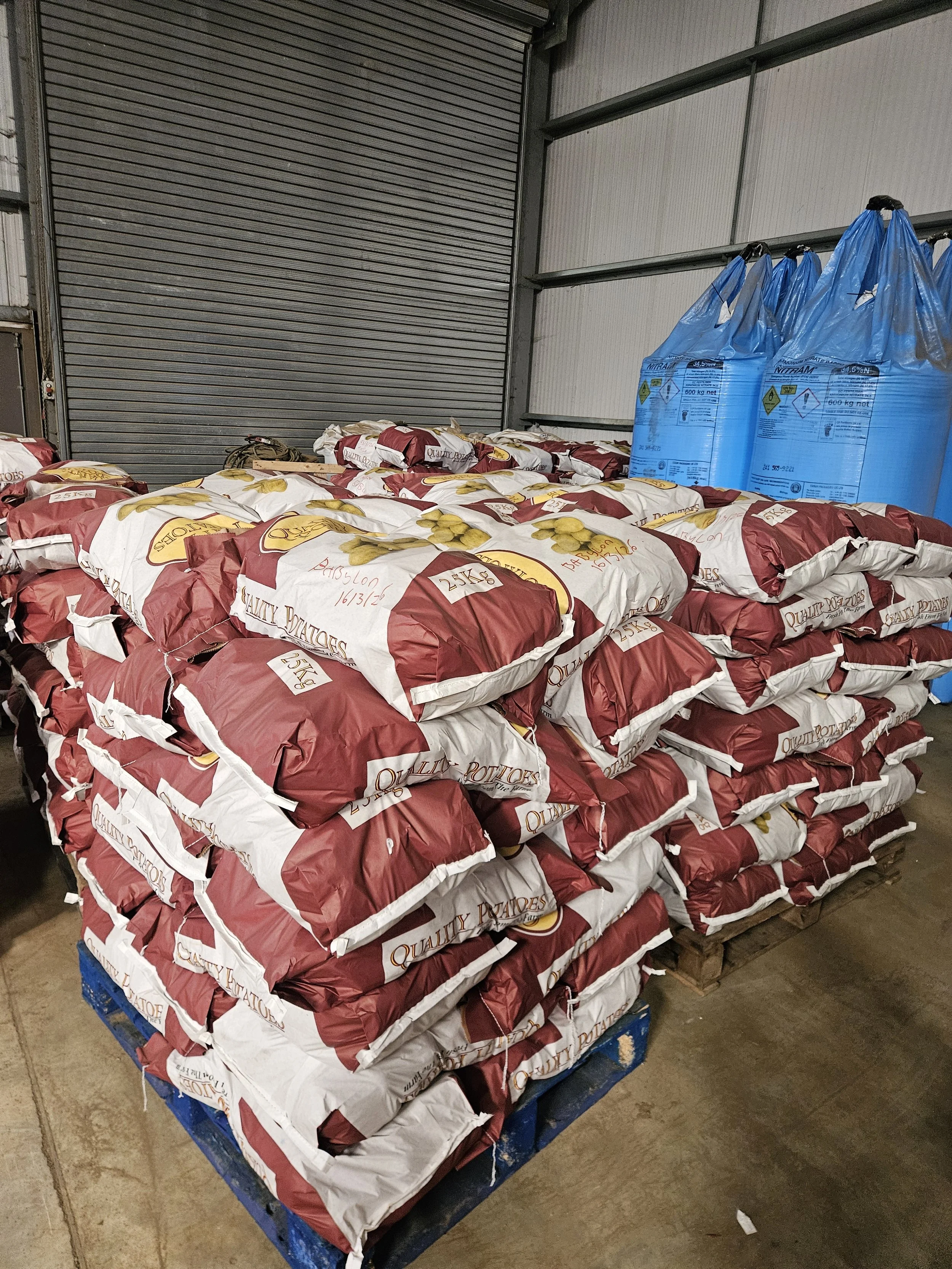
“New sandwich and spud bar opens in Shanklin with focus on local produce”
“New healthy eating Isle of Wight cafe opens in Shanklin”
“New ‘Eat Wight’ Sandwich And Spud Bar Opens In Shanklin”
“New Shanklin eatery champions Island produce and healthy food.”